How to Help Your Pet Adjust to Bali's Tropical Climate
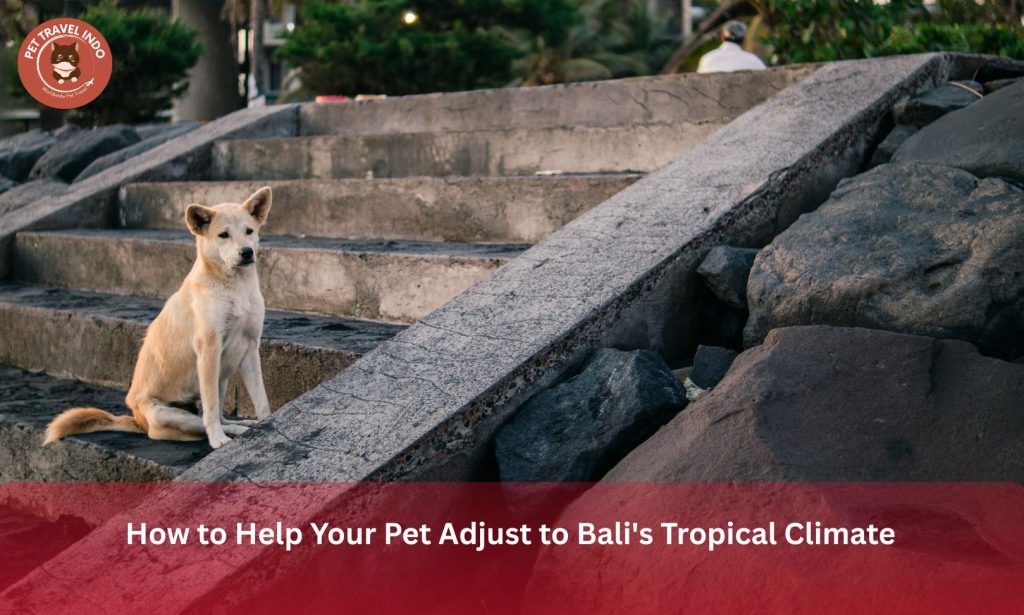
Moving to Bali with your pet can be an exciting experience, but adjusting to a tropical climate may take time for animals that are used to cooler environments. Bali is known for its warm temperatures, high humidity, and strong sunlight throughout the year. These conditions can affect your pet’s comfort, energy levels, and overall health if proper care is not provided.
Helping your pet adapt gradually is important for maintaining a healthy and happy lifestyle in Bali. With the right preparation and daily habits, pets can enjoy the tropical environment safely and comfortably.
Understanding Bali’s Tropical Weather
High Temperatures and Humidity
Bali’s climate is warm almost every day, and humidity levels can feel intense for pets that recently arrived from colder regions. Thick fur and excessive outdoor activity may increase the risk of overheating.
Dogs and cats often need time to adjust physically to these environmental changes. Some pets may initially sleep more often or appear less active while adapting to the warmer weather.
Seasonal Changes
Although Bali stays warm throughout the year, there are still dry and rainy seasons. During the rainy season, humidity becomes even higher, which may increase skin irritation or parasite activity.
Understanding these seasonal conditions can help pet owners prepare appropriate routines and living environments for their animals.
Keeping Your Pet Cool and Comfortable
Create a Relaxing Indoor Space
Providing a cool resting area is one of the best ways to help pets adjust to tropical weather. Good air circulation is very important, especially during hotter afternoons. Fans or air conditioning can help maintain comfortable indoor temperatures.
Pets should also have access to shaded areas away from direct sunlight. Cooling mats or elevated beds may improve comfort by reducing body heat.
Avoid Outdoor Activities During Peak Heat
Morning and evening are usually the safest times for walks and outdoor play. Midday heat can become too intense, especially for pets with thick coats or short snouts.
Hot pavement and sand may also hurt sensitive paws. Shorter outdoor sessions combined with regular rest periods help prevent overheating and exhaustion.
Importance of Hydration
Always Provide Fresh Water
Hydration is essential in tropical climates. Pets may lose fluids more quickly due to heat and humidity, so clean drinking water should always be available.
Placing multiple water bowls around the house can encourage pets to drink more frequently. Some owners also add water to meals to help increase fluid intake.
Watch for Signs of Dehydration
Excessive panting, dry gums, weakness, and low energy can be signs of dehydration or heat stress. Immediate cooling and veterinary attention may be necessary if symptoms become serious.
Monitoring your pet closely during the first few weeks in Bali can help identify health concerns early.
Protecting Pets From Tropical Health Risks
Prevent Fleas and Ticks
Warm climates create ideal conditions for fleas, ticks, and mosquitoes. Regular parasite prevention treatments are highly recommended to protect pets from skin problems and disease.
Routine grooming and checking your pet’s fur after outdoor activities can also reduce the risk of infestations.
Maintain a Healthy Diet
A balanced diet supports your pet’s immune system and helps the body adapt to environmental changes. Fresh and nutritious food combined with proper hydration can improve energy and overall health.
Pets that experience reduced appetite after relocation may benefit from smaller meals served more frequently throughout the day.
Adjusting to Bali’s tropical climate takes patience and proper care, but most pets adapt successfully with the right support. If you are planning to relocate your pet to Bali and need professional assistance for safe transportation and preparation, Pet Travel Indo is ready to help make the journey easier and more comfortable for your beloved companion.