How to Keep Your Pet Healthy During Relocation
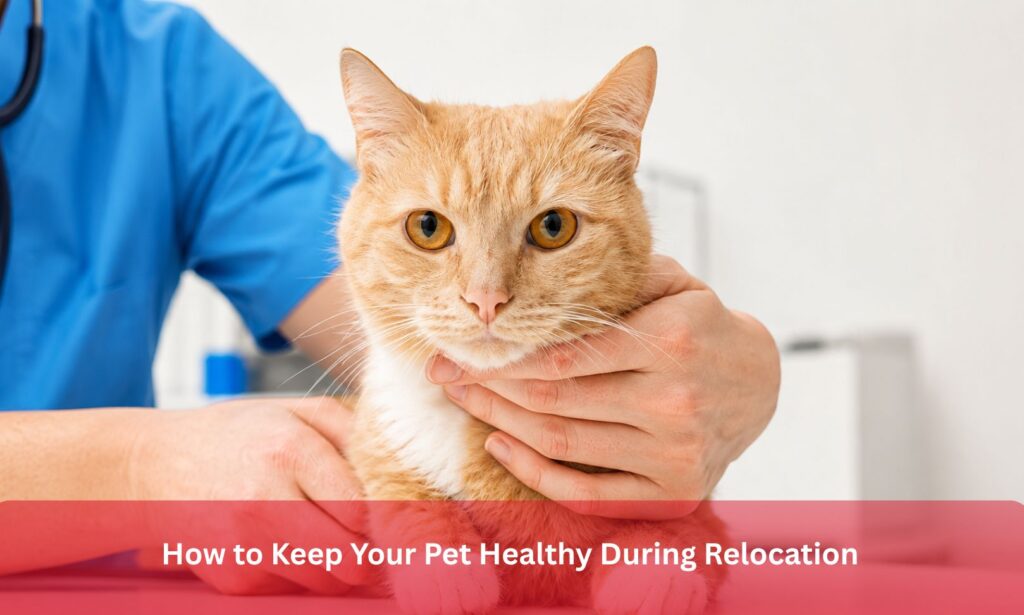
Relocating to a new city or country can be a major life event, not only for people but also for pets. Changes in environment, routine, and transportation can create stress and discomfort for animals if not managed properly. Careful planning and preparation can help ensure that your pet remains healthy, safe, and comfortable throughout the relocation process.
Whether the move is domestic or international, understanding your pet’s needs can make the transition much smoother.
Preparing Your Pet Before Relocation
Proper preparation is one of the most important steps in reducing travel related stress. Pets generally adapt better when changes are introduced gradually and their routine remains as consistent as possible.
Schedule a Veterinary Checkup
Before relocation, arrange a health examination with your veterinarian. This helps confirm that your pet is fit for travel and ensures vaccinations, health records, and other necessary documentation are up to date.
Update Identification Information
Make sure your pet has proper identification, including tags and microchip information if applicable. Accurate identification increases the chances of being reunited with your pet should they become separated during the move.
Familiarize Your Pet With the Travel Crate
Introducing the travel crate several weeks before departure can help your pet feel more comfortable. Allow your pet to spend time inside the crate using positive reinforcement and familiar items such as blankets or toys.
Maintaining Comfort During Travel
Long journeys can be challenging for pets, especially when traveling by air. Providing a comfortable environment can help minimize stress and support your pet’s well being.
Keep Essential Items Nearby
Bring familiar belongings such as bedding, toys, and food. Familiar scents can provide reassurance and help pets feel more secure during travel.
Ensure Proper Hydration
Access to water is important throughout the relocation process. Adequate hydration helps support your pet’s overall health and recovery after travel.
Avoid Sudden Routine Changes
As much as possible, maintain regular feeding and exercise schedules. Consistency can help reduce anxiety and make the transition easier for your pet.
Helping Your Pet Settle Into a New Home
Create a Safe Space
After arrival, provide a quiet area where your pet can rest and adjust to the new surroundings. Familiar items from the previous home can help create a sense of security.
Introduce the Environment Gradually
Allow your pet to explore the new home at their own pace. Gradual introductions to different rooms and outdoor areas can help build confidence and reduce stress.
Monitor Health and Behavior
Pay attention to changes in appetite, energy levels, and behavior during the adjustment period. Temporary changes are common, but persistent concerns should be discussed with a veterinarian.
Supporting a Smooth Transition
Relocation can be a positive experience when pets receive proper preparation, care, and attention throughout the journey. By focusing on health, comfort, and routine, pet owners can help their companions adapt successfully to their new environment.
For professional assistance with pet relocation, transportation, travel documentation, and international pet travel arrangements, contact Pet Travel Indo. Our experienced team is committed to helping pets travel safely and comfortably, making every relocation journey as smooth and stress free as possible.