How to Prevent Pet Jet Lag During Travel
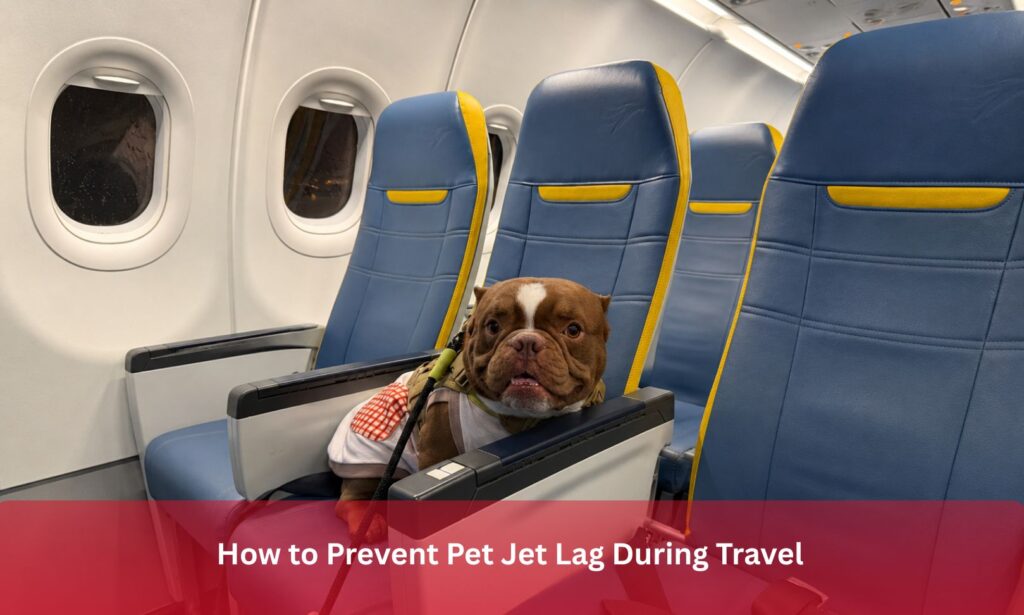
International travel can be an exciting experience for both pets and their owners. However, crossing multiple time zones may affect your pet’s internal body clock, leading to a condition commonly known as jet lag. While pets may not experience jet lag in exactly the same way humans do, changes in routine, sleep patterns, feeding schedules, and environment can cause temporary discomfort and confusion.
Understanding how to prevent and manage pet jet lag can help your furry companion adjust more comfortably after a long journey.
What Causes Pet Jet Lag
Pets rely heavily on routine. They become accustomed to specific times for sleeping, eating, exercising, and interacting with their owners. When travel suddenly changes these schedules, their natural rhythm can become disrupted.
Long flights, unfamiliar surroundings, and changes in daylight patterns may contribute to temporary behavioral changes. Some pets may appear tired, restless, less active, or experience mild changes in appetite during the adjustment period.
Signs Your Pet May Be Experiencing Jet Lag
Changes in Sleep Patterns
One of the most common signs is unusual sleeping behavior. Some pets may sleep more than usual, while others may struggle to settle down and rest properly.
Reduced Appetite
A temporary decrease in appetite can occur after long distance travel. Most pets return to their normal eating habits once they become familiar with their new environment and schedule.
Increased Restlessness
Some pets may appear anxious or restless during the first few days after arrival. This is often related to environmental changes rather than the time zone shift alone.
Tips to Prevent Pet Jet Lag
Adjust Schedules Before Departure
Gradually changing feeding and sleeping times before travel can help pets adapt more easily to the destination’s time zone. Small adjustments over several days are often more effective than sudden changes.
Maintain Familiar Routines
Keeping familiar routines during travel can reduce stress. Bringing your pet’s favorite bedding, toys, and food helps create a sense of comfort and stability.
Encourage Hydration
Travel can be physically demanding, especially during long flights. Ensuring your pet remains properly hydrated can support overall well being and recovery after arrival.
Helping Your Pet Adjust After Arrival
Follow Local Time Quickly
Once you reach your destination, begin following the local schedule for feeding, walks, and bedtime. This helps your pet’s internal clock adjust more efficiently.
Provide Regular Exercise
Physical activity can help pets adapt to new routines. Walks, play sessions, and mental stimulation encourage healthy sleep patterns and reduce restlessness.
Create a Calm Environment
A quiet and comfortable resting area allows pets to recover from travel. Limiting unnecessary stress during the first few days can make the transition smoother.
Supporting a Comfortable Travel Experience
Most pets adapt to new time zones within a few days when given proper care, patience, and a consistent routine. Preparing ahead of time and understanding your pet’s needs can significantly reduce the effects of travel related fatigue and stress.
If you are planning an international relocation or vacation with your pet, Pet Travel Indo can help. Our experienced team provides professional support for pet transportation, travel documentation, and relocation services, ensuring your pet enjoys a safe, comfortable, and stress free journey from start to finish.