Common Mistakes Made by Pet Owners When Transporting Pets

What Every Pet Owner Needs to Know Before Shipping Their Pet | Pet Transport Guide
Transporting a pet — whether across the country or overseas — is far more complex than most owners anticipate. It involves layers of health preparation, paperwork, regulatory compliance, and logistical coordination that can quickly overwhelm even the most organized person. Unfortunately, many pet owners only discover how complicated the process is after they have already made a costly mistake. This article breaks down the most common errors pet owners make when transporting pets, and why understanding the full process from the start is the key to a safe, smooth journey for your animal.
Why Understanding the Pet Transport Process Matters
Before anything is booked or packed, every pet owner should take time to understand the end-to-end process of pet transport. This is not just about knowing which airline allows pets — it involves understanding health certification timelines, import and export regulations, crate standards, quarantine policies, and the physical and emotional needs of your specific animal.
What the Pet Transport Process Actually Involves
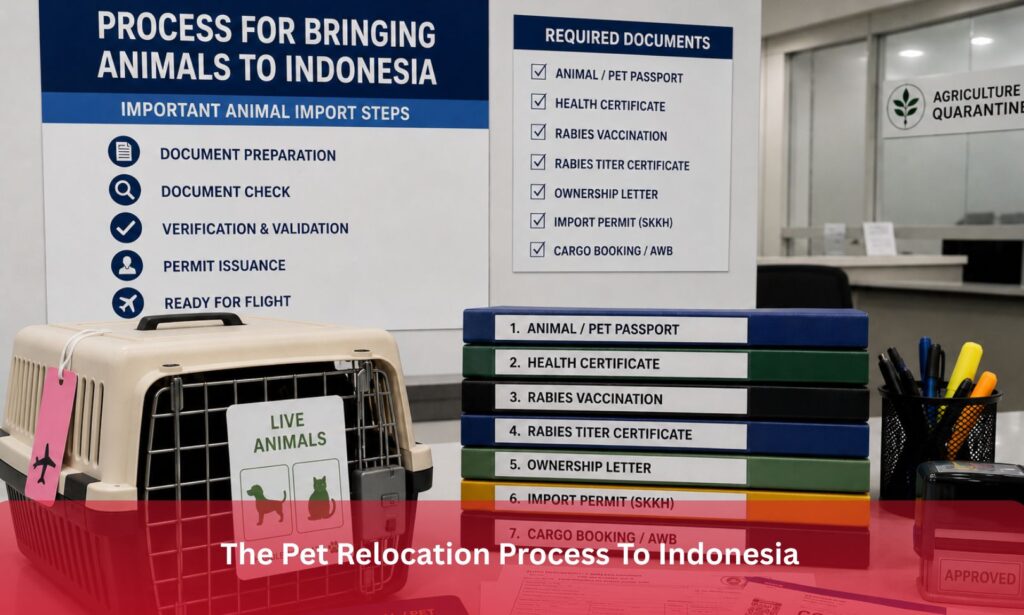
• Pre-travel veterinary health assessment and certification
• Compliance with destination country import regulations and customs requirements
• Selecting and preparing an approved transport crate or carrier
• Coordinating with airlines on pet policies, cabin vs. cargo placement, and breed restrictions
• Arranging ground transportation on both ends of the journey
• Post-arrival monitoring and, in some countries, mandatory quarantine
Skipping any one of these steps — even unintentionally — can result in your pet being denied travel, detained at customs, or placed in quarantine. Understanding the full picture before you begin is not optional. It is essential.
Underestimating Health Preparation
Health preparation is the most critical and most frequently overlooked part of transporting a pet. Many owners assume a quick vet visit a few days before departure is sufficient. In reality, proper health preparation for pet transport can take weeks — sometimes months.
Common Health Preparation Mistakes
• Scheduling the vet visit too close to the travel date, leaving no time to address findings
• Failing to complete required vaccinations within the destination country’s accepted timeframe
• Not completing a rabies titer test, which many countries require and which takes 2–4 weeks to process
• Assuming a health certificate from one trip can be reused — most certificates are only valid for 7–10 days
• Overlooking parasite treatments such as tapeworm medication, which is mandatory for entry into certain countries including the UK and New Zealand
The safest approach is to consult your veterinarian at least 6–8 weeks before the planned transport date. Bring a detailed list of your destination’s import requirements so your vet can ensure every health milestone is met on time.
Lack of Awareness About Regulations and Procedures
Pet import and export regulations differ dramatically from one country to another — and even between regions within the same country. A procedure that works seamlessly for domestic transport in Indonesia may be completely inadequate for international shipment to Australia, Japan, or the European Union.
Regulatory Mistakes That Derail Pet Transport
• Assuming all countries follow the same import rules — they do not
• Not checking whether your pet’s breed is permitted at the destination — some breeds are legally banned in certain countries
• Missing microchip registration deadlines — the chip must be implanted before certain vaccinations to be recognized internationally
• Failing to apply for an import permit in advance, which is required by many countries
• Underestimating quarantine requirements — Australia, for example, requires a minimum 10-day government quarantine for all incoming pets
How to Navigate Regulations Correctly
Always go directly to the official government or customs website of your destination country for the most current requirements. Regulations change frequently, and relying on outdated information — or well-meaning advice from fellow pet owners — is a risk not worth taking. When in doubt, consult a professional.
Choosing the Wrong Crate or Carrier
The transport crate is your pet’s only shelter for the duration of the journey. Choosing the wrong one is not just an inconvenience — it can be grounds for rejection at the airport and a genuine safety hazard for your animal.
Crate Selection Errors to Avoid
• Using a soft-sided carrier for cargo transport — only rigid, IATA Live Animal Regulation-compliant crates are accepted
• Selecting a crate based on price rather than proper sizing — your pet must be able to stand, turn around, and lie down without restriction
• Failing to secure the crate door properly, which risks accidental opening during transit
• Not lining the crate with absorbent bedding to manage accidents on long journeys
• Introducing the crate for the first time on travel day — pets need weeks of crate familiarization to feel secure inside it
Purchase your crate well in advance, confirm its compliance with your airline’s specific requirements, and begin crate training as early as possible to reduce travel anxiety.
The Reality of Managing Pet Transport Alone
Even with the best intentions, handling every aspect of pet transport independently is genuinely difficult. The documentation alone can span multiple government agencies, veterinary offices, and airline departments — each with different deadlines, formats, and requirements. A single overlooked detail can cascade into missed flights, denied boarding, or a distressed animal stuck in a holding facility.
Pet owners who attempt to manage everything themselves often report feeling overwhelmed by the sheer volume of tasks, the complexity of international regulations, and the emotional weight of being responsible for a beloved animal’s safety across thousands of kilometers. This is not a process designed for amateurs, no matter how motivated or detail-oriented they are.
Summary
Transporting a pet safely requires far more than love and good intentions. Health preparation, regulatory compliance, and the right equipment are non-negotiable pillars of any successful pet transport — and getting any one of them wrong can have serious consequences for your animal. The more you understand about the process before you begin, the better equipped you will be to make decisions that truly protect your pet.
The Role of Professional Pet Transport Services
Every mistake described in this article is avoidable — and the most effective way to avoid all of them at once is to work with a professional pet transport service that knows exactly what they are doing.
Pet Travel Indo is Indonesia’s leading specialist in domestic and international pet transport, trusted by thousands of pet owners to safely relocate dogs, cats, birds, and exotic animals to destinations around the world. Their team handles the entire process from start to finish: veterinary documentation coordination, IATA-compliant crate sourcing, airline booking, customs clearance, import permit applications, and real-time updates throughout the journey. They know the regulations of each destination country inside out — because navigating that complexity is what they do every single day.
More than logistics, Pet Travel Indo brings something no checklist can replace: experience, accountability, and genuine care for the animals entrusted to them. When you hand your pet’s journey over to their team, you are not just outsourcing paperwork — you are placing your pet in the hands of professionals who treat every animal as if it were their own.
Do not let avoidable mistakes put your pet at risk. Choose the team that has done this thousands of times and gets it right every time. Contact Pet Travel Indo today — because your pet’s safety is too important to leave to chance.